
Solar Hot Water
A solar hot water system uses the sun’s energy to heat water, significantly reducing your household’s energy usage and running costs. These systems typically include roof-mounted solar collectors (panels) and an insulated storage tank, which work together to capture solar energy and convert it into reliable hot water for your home. During sunny weather, most of your water is heated for free; and during overcast periods, a gas or electric booster automatically activates to ensure you never run out of hot water. This makes solar hot water both efficient and dependable all year round.
Solar systems are especially effective in Ballarat, Geelong and Central Victoria, where they can reduce hot water energy consumption by 50–80% depending on household size and usage. Many modern systems are eligible for Solar Ballarat, Geelong and Central Victoria rebates and STC incentives, lowering the upfront cost while delivering long-term savings. With durable materials, strong warranties, and consistent performance, solar hot water is a smart investment for households wanting a sustainable, low-cost hot water solution with minimal ongoing maintenance.
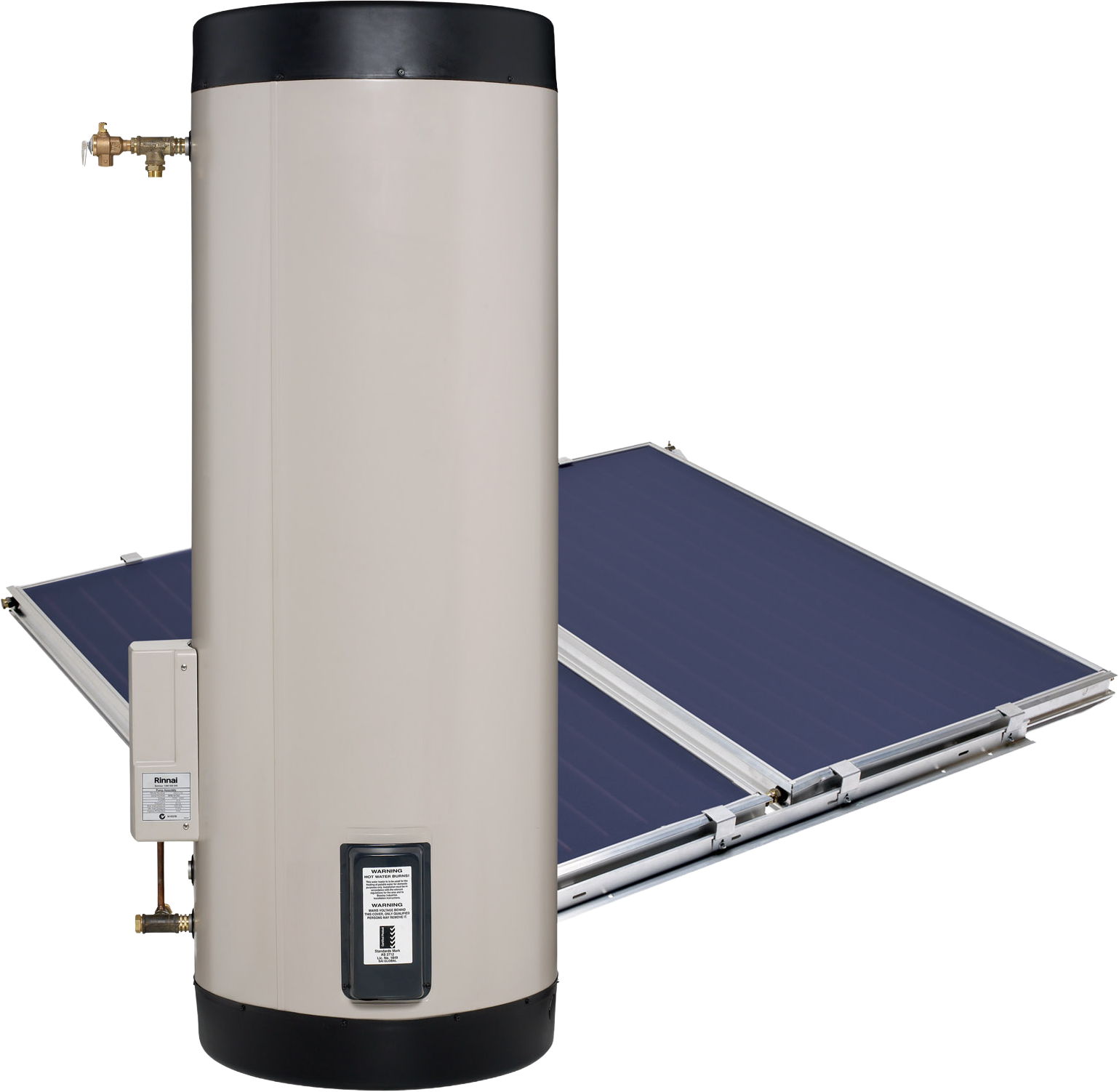
STEP BY STEP
How a Gas Continuous Flow Hot Water System Works
1
Sun hits the solar collectors
Roof-mounted solar collectors (panels) are installed on your roof, positioned to catch the most sun.
When the sun hits these panels, they start absorbing solar energy.
2
Collectors heat the water (or heat-transfer fluid)
Inside the collectors, either:
- Water, or
- A special heat-transfer fluid circulates through pipes and is heated by the sun as it passes through the panel.
3
Heated fluid travels to the storage tank
A small circulation pump (or thermosiphon in some systems) moves the heated water/fluid from the roof collectors down to the insulated hot water storage tank.
4
Heat is transferred into the tank
If the system uses a separate heat-transfer fluid, it passes through a coil or heat exchanger inside the tank.
The heat is transferred into the water in the tank, warming your stored hot water. If it’s a direct (open-loop) system, the water that passes through the panel is the same water that ends up in the tank.
5
The tank stores hot water for your home
The insulated storage tank keeps the water hot and ready for use.
This tank may be located:
- On the roof (close-coupled system), or
- At ground level with only the collectors on the roof (split system).
6
Temperature is constantly monitored
Sensors monitor the temperature of:
• Water in the collectors, and
• Water in the tank
When the collectors are hotter than the water in the tank, the circulation pump turns on to move more heat into the tank.
When the collectors cool (for example at night), the pump turns off so heat is not lost back to the panels.
7
Booster steps in when needed (gas or electric)
The now-heated water travels straight from the unit to your tap, shower or appliance.
There’s no storage tank, so the hot water just keeps coming as long as the tap is open.
8
You turn the tap off – the unit shuts down
When you close the tap:
- Water flow stops
- The flow sensor detects no movement
- The gas valve closes and the burner turns off
- The unit goes into standby, using virtually no energy until the next time you need hot water
9
Year-round efficiency and savings
Over a full year, most of the energy used to heat your water comes from the sun, with the booster only helping when necessary.
This can cut hot water energy use by 50–80%, reducing both bills and emissions.
Pros
Huge Energy Savings
Solar hot water can reduce your hot water energy usage by 50–80%, dramatically lowering ongoing bills, especially for larger families.
Uses Free Energy From the Sun
Once the system is installed, sunlight does most of the work. You pay very little to heat water on sunny days.
Eligible for Major Rebates
Most solar hot water systems qualify for:
• Solar Ballarat, Geelong and Central Victoria rebates
• STC incentives
These rebates can significantly reduce your upfront cost.
Environmentally Friendly
You’ll reduce household emissions, lower your carbon footprint, and use less electricity or gas to heat water.
Reliable Year-Round Hot Water
On cloudy days, the booster (gas or electric) kicks in automatically, ensuring you never run out of hot water.
Long System Lifespan
Solar hot water systems are robust, require low maintenance, and have a long operational life when serviced properly.
Increased Property Value
Homes with sustainable and energy-efficient upgrades often gain improved resale value and appeal to buyers.
Cons
Higher Upfront Cost
Solar systems cost more to install than traditional gas or electric units (rebates help offset this).
Requires Suitable Roof Space
Your roof needs:
• Enough space
• Good sun exposure
• Correct pitch and orientation
Homes with significant shading may get reduced efficiency.
Installation Is More Complex
Solar collectors, piping, and tanks require professional installation, and access and roof structure must be assessed.
Booster May Still Be Needed
During extended cold or cloudy periods, the booster will operate more often, increasing running costs slightly.
Panels Visible on the Roof
Some homeowners prefer the look of a clean roof, as solar collectors are typically visible from the street.
Rebates That Work Behind the Scenes - Just Like Us
Eligible for the Ballarat, Geelong and Central Victorian Energy Upgrades Program? We’ll Help You Claim It.
Let’s get your system right - and make sure you’re rewarded for choosing well.
- We manage all the VEU paperwork for you
- Guidance on gas-to-electric upgrades
- Rebates applied in the background - no hassle, no shortcuts