
What Is Reverse Cycle Air Conditioning?
Reverse cycle air conditioning is a single electric system that both heats and cools a home. It uses heat pump technology to move heat between the air inside your home and the air outside, so one unit covers winter heating and summer cooling. The Australian Government Your Home guide classes reverse cycle air conditioners as air-source heat pumps and describes them as the most energy-efficient combined heating and cooling systems you can buy.
If you have a quote in front of you for a split system in Ballarat, reverse cycle is very likely the technology on it. A ducted quote can be reverse cycle or gas ducted heating, so it is worth checking which one you have been given.
Reverse Cycle Air Conditioning in Plain Language
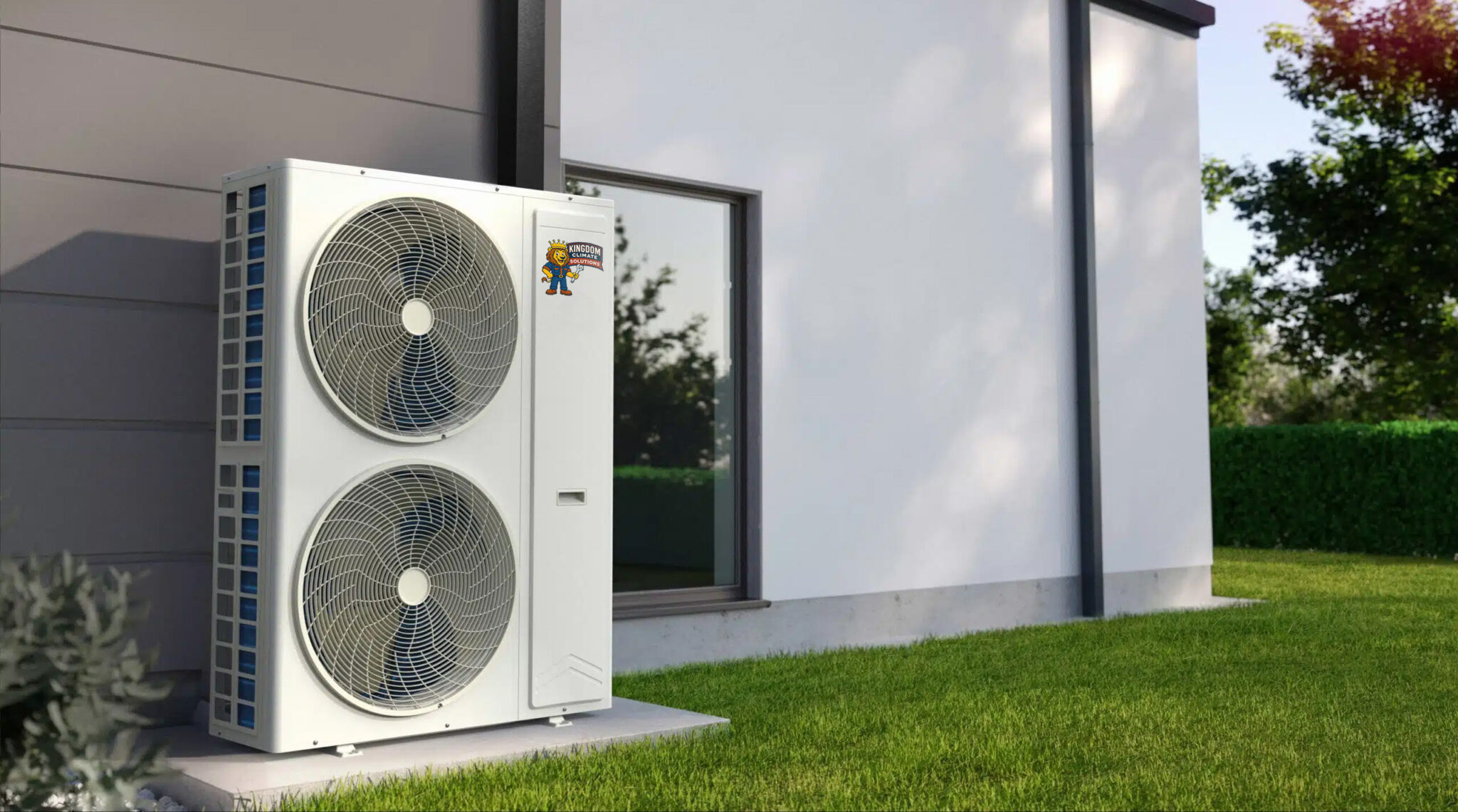
Every reverse cycle system is a heat pump. A refrigerant circulates through a sealed loop, picking up heat in one place and releasing it in another.
In cooling mode, the system collects heat from the air in your rooms and releases it outside.
In heating mode, the same system collects heat from the outside air and releases it into your rooms.
The whole idea of them is that the system relocates heat that already exists in the air, which is how it can deliver several units of heating for each unit of electricity it draws.
Our guide to how reverse cycle air conditioning works walks through the refrigeration cycle step by step.
What the Word Reverse Actually Refers To
The reverse in reverse cycle points to a component called the reversing valve. It changes the direction the refrigerant travels around the loop.
In one direction, the indoor coil absorbs heat and the outdoor coil releases it and that gives you cooling.
Switch the direction. Now the outdoor coil absorbs heat and the indoor coil releases it. That gives you heating.
So a single system, a single set of ducts or indoor units, and one installation covers the full Ballarat year. That is the practical appeal of reverse cycle heating and cooling for homes here.
The Three Types of Reverse Cycle System in Ballarat Homes
Reverse cycle comes in three common residential formats, all three run on the same principle. What separates them is how the conditioned air reaches your rooms.

Ducted reverse cycle
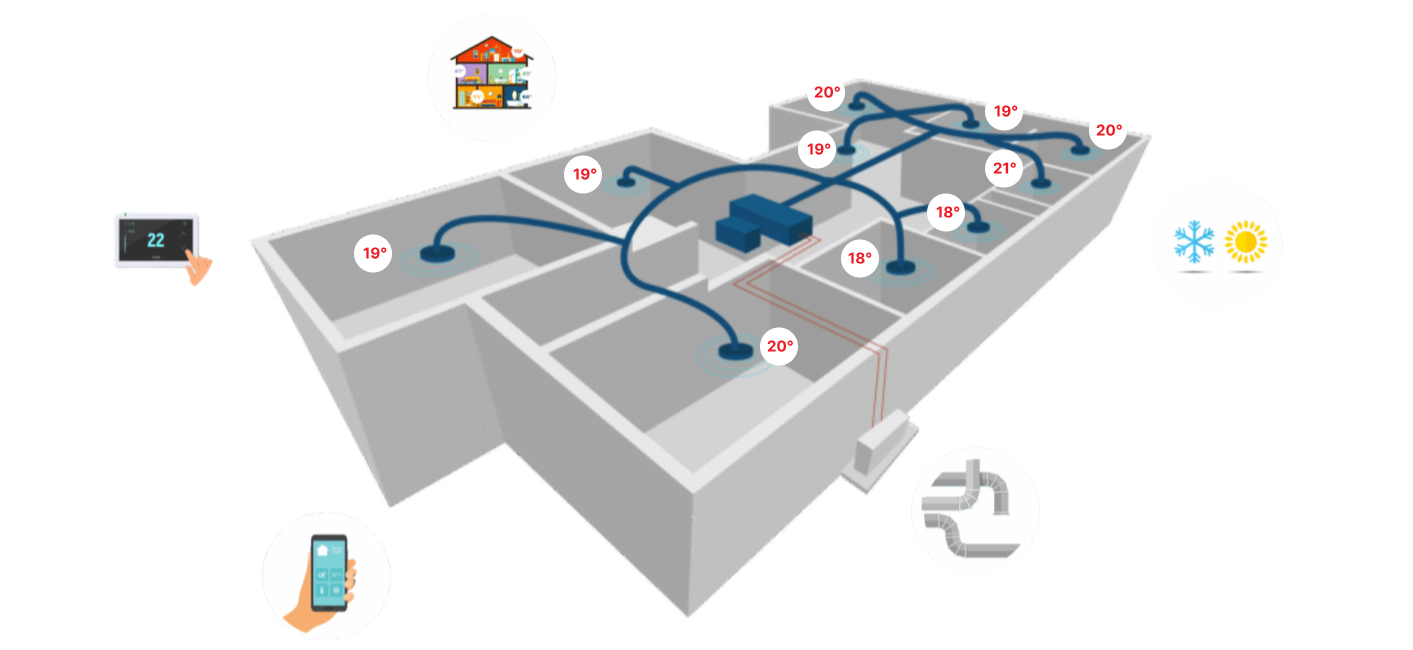
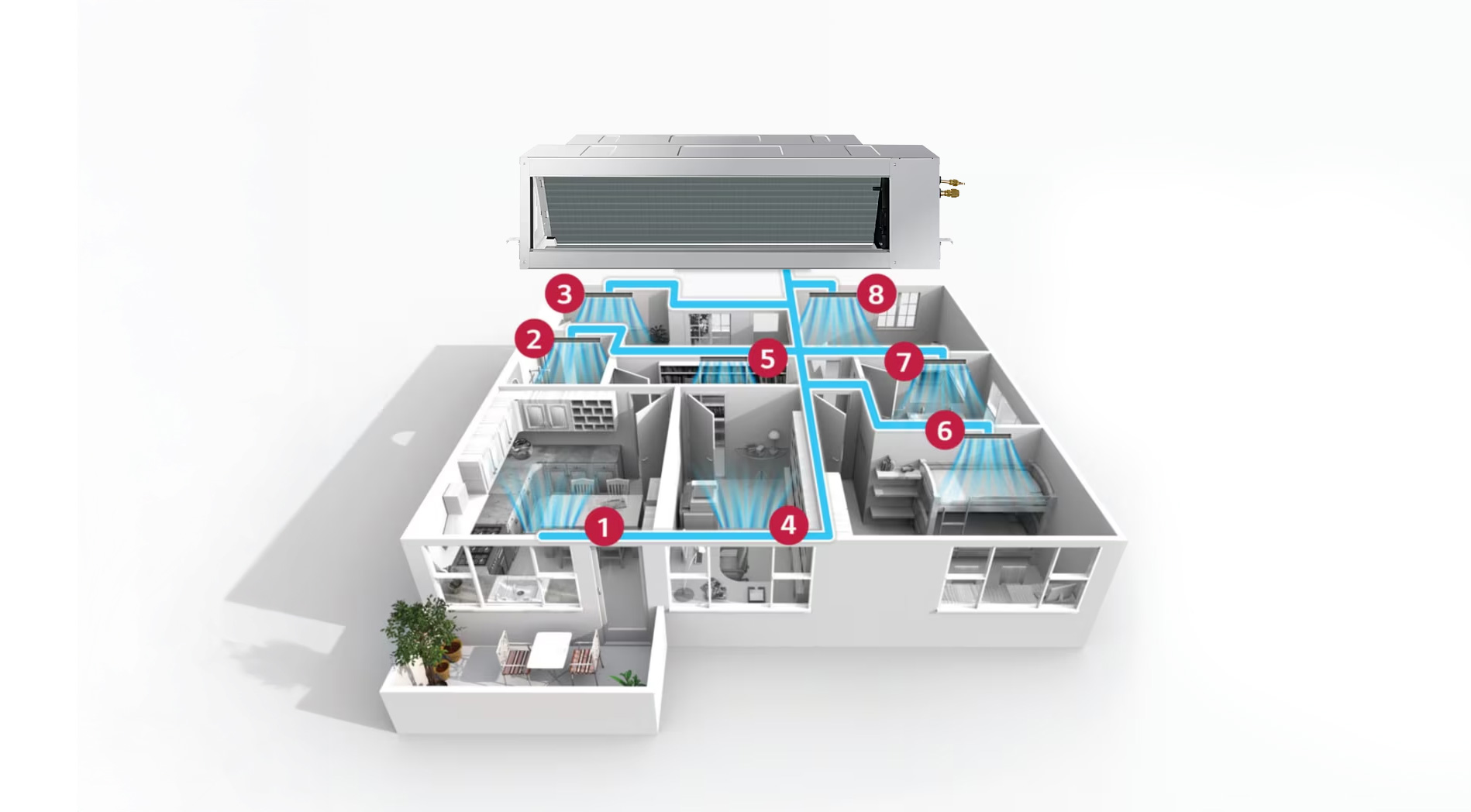
A central indoor unit sits in the roof space and feeds insulated ducts out to vents in every connected room. This is the option for whole-home comfort with almost nothing on show. Our ducted reverse cycle system page covers how these are designed and installed.

Multi split
Up to six indoor units run from a single outdoor unit, and each indoor unit has its own control. A multi split system suits homes where roof or subfloor space rules out ducting.

Back-to-back split
One indoor unit on an external wall with the outdoor unit mounted directly behind it. A back-to-back split is the simplest install and the usual answer for a single room, a granny flat or an extension.
Why Reverse Cycle Suits a Ballarat Winter
Ballarat has a long heating season. Frosty mornings from May through to September put more demand on heating here than in most parts of Victoria.
A reverse cycle system carries that heating load on electricity alone, and the same equipment cools the house through summer.
It is a common reason households across Ballarat, Buninyong and Miners Rest look at reverse cycle when an ageing gas heater reaches the end of its life. We handle full gas to electric conversions from start to finish, so the changeover is managed by one team.
Room by Room Control With Zoning
A ducted system can be zoned so separate parts of the house are conditioned independently. Zoning is what lets you run the lounge and kitchen on a winter evening and leave the four bedrooms out of it.
With a zone controller such as AirTouch 5 (which is what Kingdom uses), areas can be opened, closed and set from a wall panel or a phone.
Zoning also helps a correctly sized system perform, because it concentrates capacity on the space you are actually using.
What to Check Before You Choose a System
A few things shape the result far more than the badge on the wall unit.
Sizing
A system sized on floor area alone will disappoint. Window area, orientation, ceiling insulation and how the home is used all change the answer.
Ceiling insulation
A system sized on floor area alone will disappoint. Window area, orientation, ceiling insulation and how the home is used all change the answer.
Duct design
A system sized on floor area alone will disappoint. Window area, orientation, ceiling insulation and how the home is used all change the answer.
Licences
A system sized on floor area alone will disappoint. Window area, orientation, ceiling insulation and how the home is used all change the answer.
Local coverage
A system sized on floor area alone will disappoint. Window area, orientation, ceiling insulation and how the home is used all change the answer.
Frequently Asked Questions
What does reverse cycle air conditioning mean?
Reverse cycle means the system can run its refrigeration cycle in either direction. Running one way, it cools your home. Running the other way, it heats your home. A reverse cycle air conditioner and an air-source heat pump describe the same technology.
What is ducted reverse cycle air conditioning?
Ducted reverse cycle air conditioning is a whole-home system with one central indoor unit, usually in the roof space, connected to insulated ducts and vents in each room. It heats and cools every connected room from that one unit, and it can be zoned so areas are controlled separately.
What is split system air conditioning vs reverse cycle air conditioning?
The two terms describe different things. Split system refers to the layout, an indoor unit paired with a separate outdoor unit. Reverse cycle refers to the capability, a system that both heats and cools. Most split systems sold in Australia today are reverse cycle.
Is reverse cycle air conditioning expensive to run?
Running cost comes down to the star rating of the system, how well the home holds its temperature, the thermostat setting and the hours it runs. Reverse cycle is the most efficient electric option for combined heating and cooling, because the system transfers heat already present in the air and delivers several units of heat for each unit of electricity used. We go through expected running costs for the system we recommend at quote stage.
Is gas heating cheaper than reverse cycle air conditioning?
It depends on the age and efficiency of the gas heater, the star rating of the reverse cycle system, and current gas and electricity rates. A gas connection also carries a daily supply charge that stays on the bill regardless of how little gas you use. The reliable way to compare is to model both against your own recent bills, which we can walk through during the quote.
Talk to a Local Ballarat Team
If you are weighing up reverse cycle for your home, the useful next step is someone standing in your house measuring it properly.
We are a family-owned team based in Lucas, Ballarat, and we design and install ducted, multi split and back-to-back reverse cycle systems across Ballarat and Central Victoria. Every job starts with a free on-site assessment and a clear, fixed quote.
Get in touch or call (03) 4320 0480. We are available Monday to Saturday, 8am to 6pm.